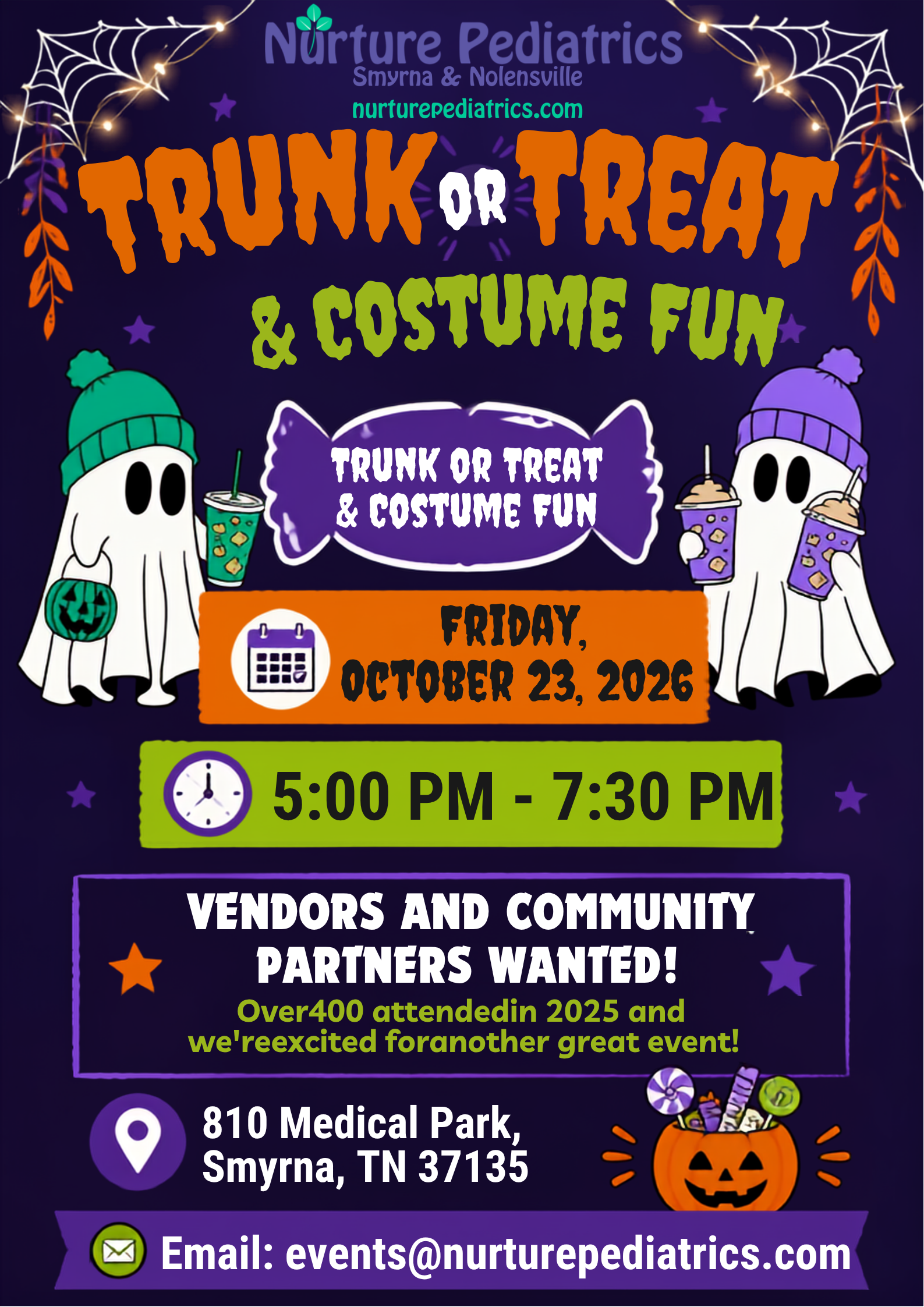
It is Almost Time — Trunk or Treat and Costume Fun is Coming to Nurture Pediatrics
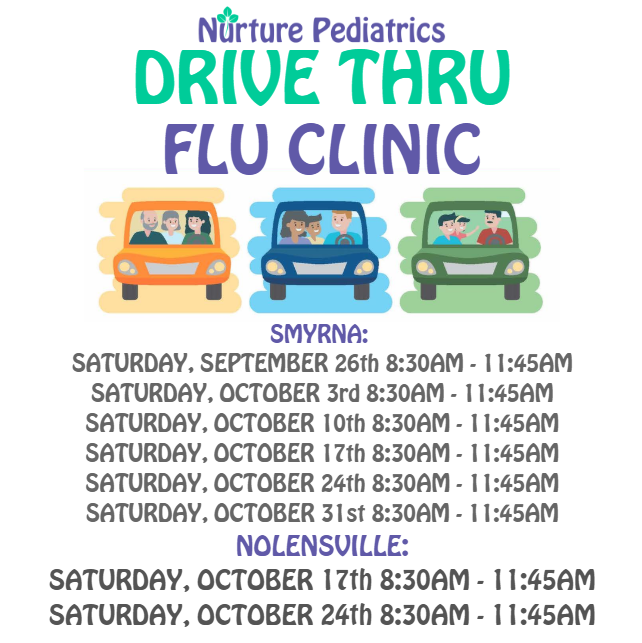
Nurture Pediatrics drive thru flu clinics are back! Saturday morning appointments available in Smyrna and Nolensville, TN. Book your spot today.
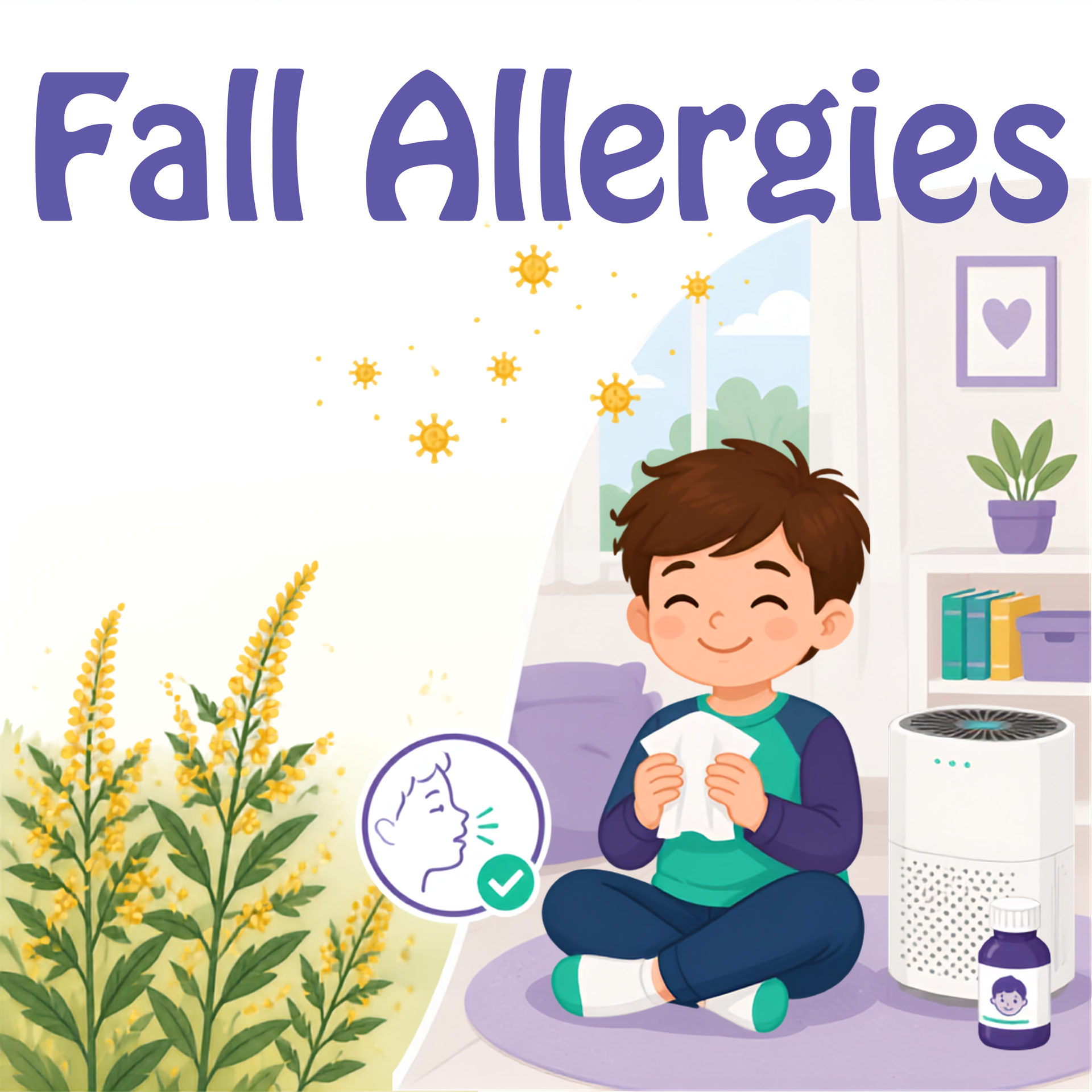
If your child has been sneezing more than usual, rubbing their eyes, or coming home from school with a runny nose that just will not quit, you are not alone. Fall allergy season in Tennessee is no joke, and for many kids it can feel just as miserable as spring. The good news is that there is a lot parents can do, and knowing what you are dealing with is the first step. Why Tennessee Fall Allergies Hit Hard Tennessee sits in a particularly tough spot when it comes to seasonal allergies. Our warm climate, humidity, and geography create a long and active allergy season that can stretch well into October and sometimes beyond. The biggest culprit in the fall is ragweed pollen, which peaks in Middle Tennessee typically from mid-August through October. One ragweed plant can release up to one billion pollen grains over the course of a season, and those grains travel easily on the wind, meaning your child does not have to be anywhere near a ragweed plant to feel the effects. Beyond ragweed, mold spores are a significant trigger in the fall. As leaves fall and begin to decompose, mold levels in the air rise, particularly after rain. For children who are sensitive to mold, those beautiful piles of leaves in the backyard can be a source of real misery. Dust mites can also flare up as families close windows and turn on heating systems that have been sitting dormant all summer. How to Tell If It Is Allergies or Something Else This is one of the most common questions we hear from parents this time of year, and it is a fair one. Allergy symptoms and cold symptoms can look a lot alike, but there are some key differences to watch for. Allergy symptoms tend to appear quickly after exposure, stick around as long as the trigger is present, and improve when your child is away from the allergen, such as inside with windows closed on high pollen days. Common signs include a clear runny nose, sneezing, itchy or watery eyes, and an itchy throat or ears. Fatigue and dark circles under the eyes, sometimes called allergic shiners, are also common. A cold, on the other hand, usually comes with thicker, discolored mucus, a fever, body aches, and symptoms that tend to peak and then improve over the course of about ten days. If your child's symptoms are lingering well past two weeks without a fever, allergies are likely worth exploring. What the American Academy of Pediatrics Recommends The American Academy of Pediatrics emphasizes a stepwise approach to managing seasonal allergies in children, starting with the least invasive strategies and building from there based on how the child responds. The first line of management is reducing exposure to known allergens. This means keeping windows closed on high pollen days, having children change clothes and wash their hands and face after outdoor play, using air purifiers with HEPA filters indoors, and checking daily pollen counts through resources like the American Academy of Allergy, Asthma and Immunology's tracking tools. The AAP also recommends nasal saline rinses as a safe, drug-free way to clear allergens from nasal passages and reduce congestion. When symptoms need additional management, the AAP recommends second-generation antihistamines as the preferred over-the-counter option for children. Medications like loratadine (Claritin), cetirizine (Zyrtec), and fexofenadine (Allegra) are generally preferred over first-generation antihistamines like diphenhydramine (Benadryl) for daily allergy management because they cause less sedation and have a longer duration of action. Intranasal corticosteroids, such as fluticasone (Flonase) or triamcinolone (Nasacort), are also considered highly effective and are now available over the counter for children aged two and older, though the AAP recommends discussing use with your child's provider before starting. It is worth noting that the AAP does not recommend decongestants for children under four years of age due to safety concerns, and advises caution in older children as well. Combination cold and allergy products that include decongestants should always be discussed with your provider before use. For children with moderate to severe allergies that are not well controlled with over-the-counter options, referral to a pediatric allergist may be appropriate. Allergy testing can identify specific triggers, and allergen immunotherapy, commonly known as allergy shots or sublingual drops, can offer longer-term relief for children who are good candidates. When to Call Us Allergies that are not well managed can affect your child's sleep, their ability to focus at school, and their overall quality of life during the season. They can also increase the risk of sinus infections and ear infections, and can make asthma harder to control in children who have both conditions. We encourage families to reach out if your child's symptoms are interfering with daily life, if over-the-counter medications are not providing enough relief, if you are seeing signs of a sinus infection such as pressure, facial pain, or thick discolored mucus lasting more than ten days, or if your child has asthma and their symptoms seem harder to manage as the season changes. You do not have to just push through allergy season. There are real options, and we are here to help you find what works best for your child. A Few Quick Wins for This Week Check the local pollen count before your child heads outside. Nashville and surrounding Middle Tennessee areas tend to have reliable daily counts available through weather apps and the AAAAI tracker. Keep outdoor activity to later in the day when pollen counts are typically lower. Run a HEPA air purifier in your child's bedroom, especially while they sleep. And if your child has not been seen for their allergies before, a well visit or dedicated appointment is a great place to start the conversation. Your child deserves to feel good, even in October. We are here to help make that happen. Call our Smyrna office at 615-223-5565 or our Nolensville office at 615-776-8703, or visit nurturepediatrics.com to schedule an appointment.

Summer goes fast. One minute you are at the pool, and the next you are hunting for a backpack and trying to remember where you put the school supply list. Before the chaos of the first day takes over, there is one item that deserves a spot at the top of your to-do list: your child's health. At Nurture Pediatrics, we see it every year. Families rush in during the last two weeks of August because a school physical is required for enrollment, a sports form needs to be signed, or a medication check has not happened since spring. We love seeing your kids no matter when you come in, but we also know that scheduling early makes everything easier for your family and ours. Here is what to think about before school starts: Well visits and school physicals Most schools require an updated physical on file, and for good reason. A well visit gives your child's provider a chance to check in on growth, development, vision, hearing, and overall health. It is also a great time to ask questions you have been holding onto since the last visit. If your child plays a sport, their TSSAA sports physical can be completed at the same time at no additional cost. For the 2026-2027 school year, physicals completed on or after April 15, 2026 are valid. Immunizations Back to school season is one of the most important times to make sure your child is up to date on required vaccines. Tennessee has specific immunization requirements by grade level, and schools do check. If you are not sure where your child stands, give us a call. We can pull their records and let you know what is needed before the first day. Medication management If your child takes a daily medication, summer can throw off the routine. Before school starts, make sure their prescription is current, refills are in order, and any forms needed by the school nurse are completed. A medication maintenance visit is required before we can process refill requests, so do not wait until the week before school to get this on the schedule. Mental health check-in Starting a new school year can bring up big feelings, especially for kids heading into a new school, a new grade, or navigating friendships and social pressures. It is worth taking a few minutes to talk with your child about how they are feeling about the year ahead. If you have concerns about anxiety, attention, or behavior, your child's well visit is a great place to start that conversation. A note for our Smyrna and Nolensville families Our schedules fill up quickly this time of year, and we want to make sure your family gets the appointment time that works best for you. Whether you are a long-time patient or just getting established with us, we would love to be your partner this school year and every year after. Call us at our Smyrna office at 615-223-5565 or our Nolensville office at 615-776-8703, or visit nurturepediatrics.com to schedule. We are here, and we are ready for the school year if you are. Here is to a happy, healthy school year for every kid in our community.
Dr. Mackenzie Sowers, MD, is a pediatrician at Nurture Pediatrics in Nolensville and Smyrna, Tennessee, caring for patients from birth through young adulthood. Trained at Children's Health in Dallas. Now accepting new patients.

Meet Dr. Lauren Edmond Tennant, DO, pediatrician at Nurture Pediatrics in Smyrna, Tennessee. Dr. Tennant is board certified by the American Board of Pediatrics and is passionate about building real relationships with the families she serves, from birth through young adulthood.